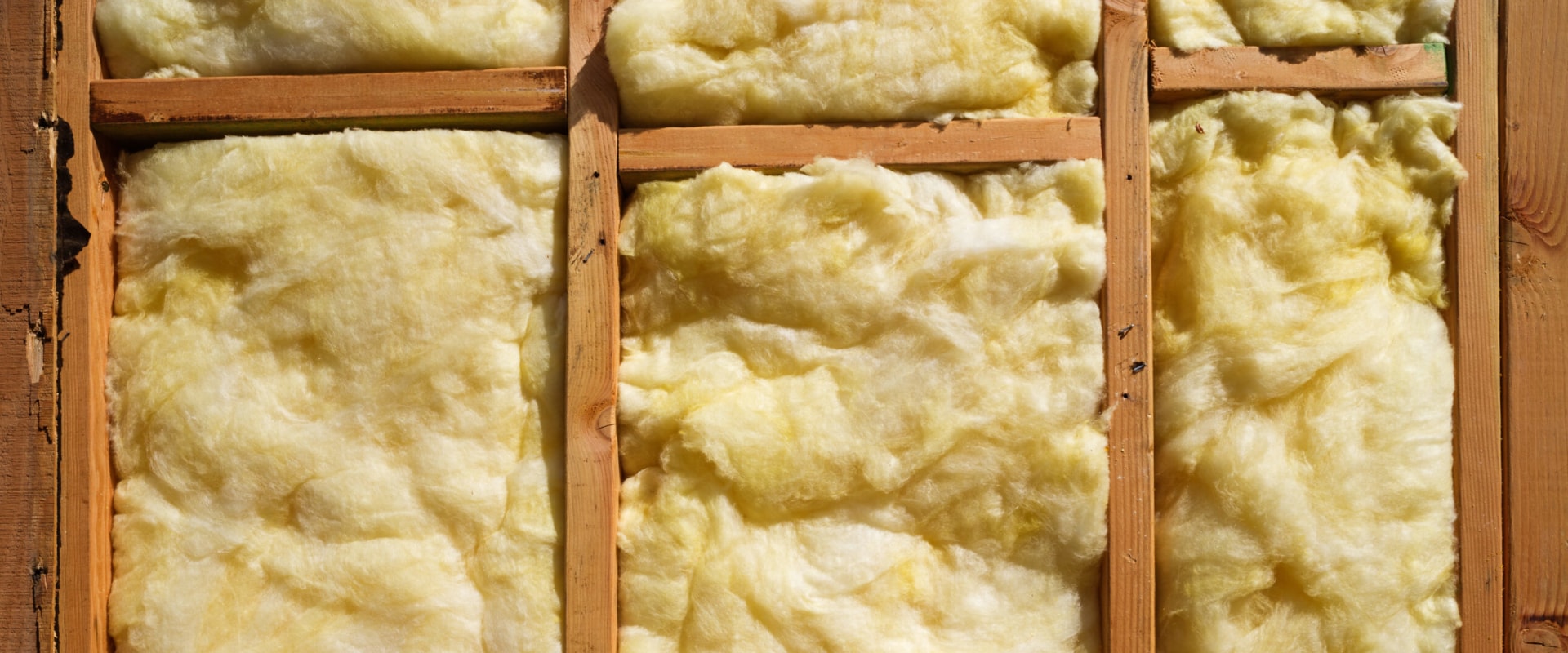
Insulation plays a crucial role in maintaining the energy efficiency of a home, acting as a barrier against heat loss in the winter and heat gain in the summer. This is particularly important for attics, where significant amounts of energy can be wasted if insulation levels are inadequate. Homeowners often overlook the importance of proper insulation, but understanding its benefits can lead to substantial savings on energy bills and a more comfortable living environment.One of the primary benefits of insulation is its ability to regulate indoor temperatures, which directly impacts heating and cooling costs. By effectively trapping heat during colder months and keeping it out during warmer months, insulation reduces the workload on heating and cooling systems.
This not only leads to lower utility bills but also extends the lifespan of these systems, making it a wise investment for homeowners.Moreover, proper insulation contributes to a home's overall comfort by minimizing drafts and cold spots. When attics are adequately insulated, homeowners can enjoy consistent temperatures throughout their living spaces. This is where attic insulation companies come into play; they provide expertise in assessing current insulation levels and recommending improvements tailored to specific climate conditions and building codes.In addition to energy savings and comfort, adequate insulation also plays a role in environmental sustainability. By reducing energy consumption, homes with proper insulation contribute to lower greenhouse gas emissions.
As awareness of climate change grows, many homeowners are seeking ways to make their homes more eco-friendly, and investing in quality insulation is a significant step in that direction.
Recommended Insulation Levels by Region
When it comes to attic insulation , understanding the recommended levels based on your geographic location is crucial for achieving optimal energy efficiency. Different regions experience varying climates, which directly influence the amount of insulation needed to maintain comfortable indoor temperatures and reduce energy costs.Insulation Recommendations for Northern Climates
In northern regions, where winters can be harsh and prolonged, the Department of Energy (DOE) recommends a minimum of 16 to 18 inches of insulation, typically achieving an R-value of R-49 or higher. This level of insulation is essential for:- Preventing Heat Loss: Adequate insulation helps retain heat within the home, reducing the need for excessive heating during cold months.
- Improving Energy Efficiency: Higher insulation levels lead to lower energy bills, as your heating system works less to maintain a comfortable temperature.
- Enhancing Comfort: Proper insulation minimizes drafts and cold spots, creating a more consistent indoor climate.
Insulation Recommendations for Southern Climates
Conversely, in southern climates where temperatures are generally milder but can still reach extremes, the DOE suggests a minimum of 13 to 14 inches13 to 14 inches of insulation, corresponding to an R-value of R-30 to R-38. This is important for:- Keeping Cool: Insulation helps keep cool air inside during hot summers, reducing reliance on air conditioning.
- Energy Savings: Just like in colder climates, proper insulation can lead to significant savings on energy bills by minimizing the workload on cooling systems.
- Mold Prevention: Adequate insulation can help control humidity levels in attics, reducing the risk of mold growth.
They can provide expert advice tailored to your specific needs and help you achieve the right balance of insulation for your region.In summary, adhering to regional insulation guidelines not only enhances energy efficiency but also contributes to a more comfortable living environment. Whether you reside in a northern or southern climate, investing in the appropriate level of attic insulation is a wise decision that pays off in both comfort and cost savings.
What is R-Value and Why Does It Matter?
Understanding R-value is essential for homeowners looking to optimize their insulation. R-value is a measure of thermal resistance, indicating how well a material can resist heat flow. The higher the R-value, the better the insulation's effectiveness in maintaining indoor temperatures.This metric is crucial when evaluating insulation options, as it directly impacts energy efficiency and comfort levels within a home.When considering insulation materials, it’s important to recognize that different types of insulation have varying R-values. For instance, fiberglass batts typically have an R-value ranging from 2.9 to 4.3 per inch, while spray foam insulation can achieve R-values of 6 to 7 per inch. This variance means that homeowners must carefully assess their insulation choices based on their specific needs and local climate conditions.
Importance of R-Value
The significance of R-value extends beyond mere numbers; it plays a vital role in energy conservation and cost savings. Homes with adequate insulation can significantly reduce heating and cooling costs, leading to lower energy bills.According to the U. S. Department of Energy (DOE), proper insulation can save homeowners up to 20% on heating and cooling expenses.Moreover, understanding R-value helps homeowners make informed decisions when hiring attic insulation companies. These professionals can provide guidance on the appropriate R-value for specific regions, ensuring that homes are equipped with sufficient insulation to meet local building codes and energy efficiency standards.
R-Value Insulation Standards
Insulation standards vary by region due to differences in climate.For example, the DOE recommends that attics in colder northern climates should have an R-value of at least 38 (approximately 12 to 15 inches of fiberglass insulation), while southern regions may require only an R-value of 30 (around 10 to 14 inches). Understanding these standards is crucial for homeowners who want to ensure their homes are adequately insulated.In summary, R-value is a fundamental concept in the realm of home insulation. By grasping its importance and how it influences energy efficiency, homeowners can make better choices regarding their insulation needs, ultimately leading to enhanced comfort and reduced energy costs.
Is 4 Inches of Insulation Enough?
When considering whether 4 inches of insulation is adequate for your attic, it’s essential to evaluate several factors, including your geographical location, the type of insulation used, and the overall energy efficiency of your home. In many cases, 4 inches may fall short of the recommended insulation levels, leading to potential energy loss and discomfort.According to the Department of Energy (DOE), the recommended insulation levels vary significantly based on climate zones.For instance, homes in colder northern regions typically require between 16 to 18 inches of insulation, while southern homes may need around 13 to 14 inches. This discrepancy highlights that 4 inches is often insufficient, particularly in areas with harsher winters.Insufficient insulation can lead to several issues:
- Increased Energy Costs: With inadequate insulation, heat escapes during winter months and enters during summer, forcing your heating and cooling systems to work harder. This results in higher energy bills.
- Comfort Issues: Homes with insufficient insulation often experience temperature fluctuations. Rooms may feel drafty in winter or uncomfortably warm in summer, making it difficult to maintain a consistent indoor climate.
- Moisture Problems: Poor insulation can lead to condensation issues in attics, which may result in mold growth and structural damage over time.
For example, fiberglass batts may provide different R-values compared to spray foam or cellulose insulation. R-value measures the thermal resistance; thus, even if you have 4 inches of a particular type of insulation, its effectiveness can vary widely.If you suspect that your attic insulation is inadequate, it’s wise to consult with attic insulation companies. They can assess your current setup and recommend appropriate solutions tailored to your home’s needs. Upgrading your insulation not only enhances comfort but also contributes to long-term energy savings and environmental sustainability.In conclusion, while 4 inches of insulation might seem like a good start, it often does not meet the necessary standards for optimal energy efficiency and comfort.
Investing in additional insulation could be one of the best decisions for improving your home’s overall performance.
The Benefits of Upgrading Your Insulation
Upgrading your insulation can yield numerous benefits that extend beyond mere comfort. While 4 inches of insulation may seem adequate at first glance, increasing this thickness can significantly enhance your home’s energy efficiency, comfort levels, and even its market value.Energy Savings from Better Insulation
One of the most compelling reasons to consider upgrading your insulation is the potential for substantial energy savings. Insulation acts as a barrier against heat transfer, keeping your home warm in the winter and cool in the summer. When you increase the thickness of your insulation beyond 4 inches, you improve its R-value, which measures its effectiveness.
Higher R-values mean better thermal resistance, leading to reduced energy consumption for heating and cooling.According to the U. Department of Energy (DOE), homes with insufficient insulation can lose a significant amount of energy, resulting in higher utility bills. By investing in additional insulation, homeowners can expect to see a decrease in their monthly energy costs, often recouping their investment within a few years through these savings.
Improved Comfort
In addition to energy savings, upgrading your insulation enhances overall comfort within your home. Insufficient insulation can lead to drafts, uneven temperatures, and increased noise levels from outside.
By increasing the insulation thickness, you create a more stable indoor environment that minimizes temperature fluctuations and reduces noise pollution.Moreover, better insulation helps maintain consistent humidity levels, which can contribute to improved air quality. This is particularly beneficial for families with allergies or respiratory issues, as it helps filter out outdoor pollutants and allergens.
Potential Increases in Home Value
Another significant advantage of upgrading your insulation is the potential increase in your home’s value. Prospective buyers are increasingly looking for energy-efficient homes that promise lower utility costs and enhanced comfort. A well-insulated home not only appeals to eco-conscious buyers but also positions itself favorably in a competitive real estate market.Investing in quality insulation can be seen as a long-term investment that pays off when it comes time to sell your home.
Many real estate experts agree that homes with upgraded insulation often command higher prices and sell faster than those without.In conclusion, while 4 inches of insulation may provide some level of thermal protection, upgrading to a thicker layer offers numerous benefits including significant energy savings, improved comfort, and an increase in home value. For homeowners considering this upgrade, consulting with attic insulation companies can provide tailored solutions that meet specific needs and maximize these advantages.
Choosing the Right Attic Insulation Company
When it comes to enhancing your home’s energy efficiency, selecting the right attic insulation company is crucial. With numerous contractors available, making an informed choice can save you time, money, and ensure that your insulation is installed correctly. Here are some essential tips to guide you in choosing a reputable insulation contractor.1.Research and Recommendations
- Start by asking friends, family, or neighbors for recommendations.
Personal experiences can provide valuable insights into the quality of service.
- Utilize online resources such as review sites and social media platforms to gauge customer satisfaction and contractor reputation.
- Check for local attic insulation companies that have a strong presence in your community, as they are more likely to understand regional building codes and climate considerations.
2.Verify Credentials
- Ensure that the contractor is licensed and insured. This protects you from liability in case of accidents during the installation process.
- Look for certifications from recognized industry organizations, which indicate a commitment to quality and ongoing education in insulation practices.
3.Ask the Right Questions
Before hiring an insulation contractor, it’s essential to ask specific questions to assess their expertise:
- What types of insulation do you recommend for my home?
Understanding their approach will help you gauge their knowledge of different materials and their suitability for your specific needs. - Can you provide references from previous clients?
Speaking with past customers can give you insight into the contractor's reliability and quality of work. - What is your installation process?
A reputable company should be able to explain their methods clearly, ensuring that they follow best practices for effective insulation. - Do you offer a warranty on your work?
A solid warranty indicates confidence in their services and provides peace of mind for homeowners.
4.Get Multiple Estimates
Don’t settle for the first estimate you receive. Obtain quotes from several attic insulation companies, comparing not just prices but also the scope of work included. This will help you make a more informed decision based on value rather than just cost.By following these guidelines, you can confidently choose an attic insulation company that meets your needs and ensures your home remains energy-efficient and comfortable.
Common Types of Attic Insulation Materials
When it comes to insulating your attic, understanding the different types of insulation materials available is crucial for making an informed decision.Each type has its own set of advantages and disadvantages, which can significantly impact your home's energy efficiency and comfort.
Fiberglass Insulation
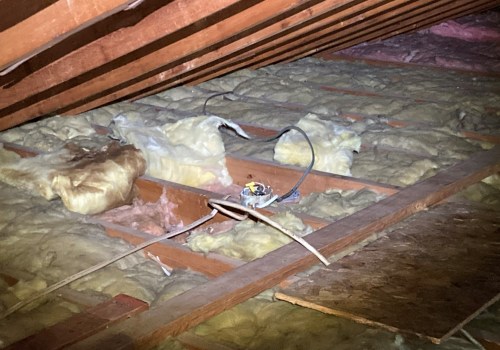
Fiberglass insulation is one of the most commonly used materials in attics. It comes in batts or rolls and is made from fine glass fibers. Here are some key points:- Pros: Fiberglass is relatively inexpensive, non-combustible, and resistant to moisture. It also has a good R-value per inch, making it effective at reducing heat transfer.
- Cons: Installation can be tricky, as it requires careful handling to avoid skin irritation.
Additionally, if not installed properly, it can lead to air leaks and reduced effectiveness.
Foam Insulation
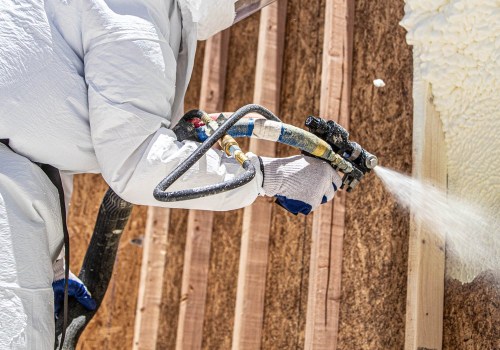
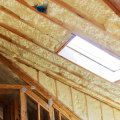
Foam insulation, including spray foam and rigid foam boards, offers excellent thermal resistance and air sealing properties. Here’s what you need to know:- Pros: Foam insulation expands upon application, filling gaps and cracks that other materials might miss. It provides a high R-value and can significantly reduce energy costs.
- Cons: It tends to be more expensive than fiberglass and may require professional installation. Some types of foam can also emit volatile organic compounds (VOCs) during installation.
Cellulose Insulation
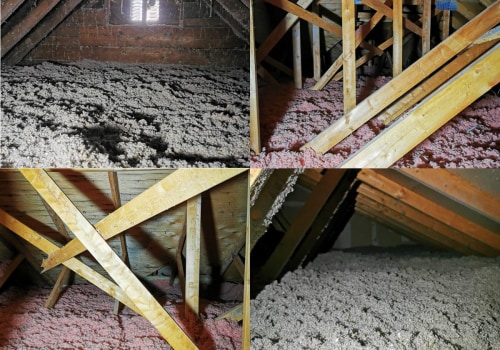
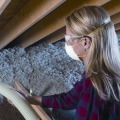
Made from recycled paper products, cellulose insulation is an eco-friendly option that has gained popularity in recent years.Consider the following:
- Pros: Cellulose is treated with fire retardants and has a high R-value. It’s also effective at reducing air leaks when blown into attics.
- Cons: It can settle over time, which may reduce its effectiveness. Additionally, cellulose can absorb moisture if not properly installed or maintained.
DIY vs.
Professional Installation: What You Need to KnowWhen it comes to attic insulation, homeowners often face a critical decision: should they tackle the project themselves or hire a professional? Each option has its own set of advantages and disadvantages that can significantly impact both the outcome of the insulation and the overall cost.
DIY Attic Insulation Installation
Opting for a DIY approach can be appealing for several reasons:- Cost Savings: One of the most significant benefits of DIY insulation is the potential for cost savings. By eliminating labor costs, homeowners can save a substantial amount of money. Materials can often be purchased at local hardware stores or online, allowing for flexibility in budgeting.
- Control Over the Project: DIY installation allows homeowners to work at their own pace and make decisions about materials and methods without outside influence.
- Learning Experience: For those interested in home improvement, installing insulation can be a valuable learning experience that enhances skills for future projects.
- Lack of Expertise: Without professional experience, homeowners may not fully understand the best practices for insulation installation, which can lead to inadequate coverage or improper techniques.
- Time-Consuming: DIY projects often take longer than anticipated, especially if unexpected issues arise during installation.
- Safety Concerns: Working in an attic can pose safety risks, including falls or exposure to hazardous materials like fiberglass insulation.
Professional Installation
On the other hand, hiring a professional insulation company offers its own set of benefits:- Expertise and Experience: Professionals have the training and experience necessary to ensure that insulation is installed correctly and efficiently. They are familiar with local building codes and best practices.
- Time Efficiency: Professionals can typically complete the job much faster than a DIYer, minimizing disruption to your home life.
- Quality Assurance: Many professional companies offer warranties on their work, providing peace of mind that any issues will be addressed post-installation.
- Higher Costs: The most significant drawback is the cost.
Professional installation can be expensive due to labor fees and overhead costs associated with running a business.
- Lack of Control: Homeowners may have less control over materials used and the overall process when relying on professionals.
Frequently Asked Questions About Attic Insulation
When it comes to attic insulation, homeowners often have numerous questions. Understanding the ins and outs of insulation can help you make informed decisions about your home’s energy efficiency and comfort.Here are some of the most frequently asked questions regarding attic insulation:
How much attic insulation do I need?
The amount of insulation required for your attic largely depends on your geographical location and the type of insulation you choose. The Department of Energy (DOE) recommends that homes in warmer southern climates should have at least 13 to 14 inches of insulation, while homes in colder northern climates should aim for 16 to 18 inches. This is typically measured in R-value, which indicates the insulation's effectiveness. For example, R-38 is a common recommendation for southern homes, while R-49 is suggested for northern areas.What types of insulation are available?
There are several types of insulation materials available for attics, including:- Fiberglass Batts: These are pre-cut panels that fit between joists and are easy to install.
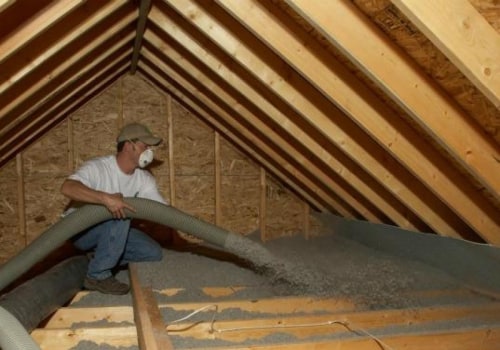
- Blown-In Insulation: This type is ideal for filling gaps and hard-to-reach areas, providing excellent coverage.
- Spray Foam Insulation: Offers superior air sealing and is effective in both insulating and preventing moisture issues.
Can I install attic insulation myself?
While some homeowners may choose to tackle attic insulation as a DIY project, it’s essential to consider the complexity involved.Proper installation is crucial for maximizing energy efficiency. If you’re not comfortable with the process or lack the necessary tools, hiring a professional from one of the local attic insulation companies can ensure that the job is done correctly.
How do I know if I need more insulation?
If your home feels drafty or you notice high energy bills, it may be time to evaluate your attic insulation. A simple visual inspection can help; if you can see the joists or if the existing insulation appears compressed or damaged, it’s likely insufficient. Additionally, many attic insulation companies offer free assessments to determine whether your home meets current insulation standards.In summary, understanding these common questions about attic insulation can empower homeowners to make better choices regarding their home’s energy efficiency.Whether you decide to go the DIY route or hire professionals, ensuring adequate insulation is key to maintaining a comfortable living environment.
Conclusion: Making Informed Decisions About Your Insulation Needs
In conclusion, understanding the significance of adequate attic insulation is crucial for homeowners aiming to enhance energy efficiency and comfort. The question of whether 4 inches of insulation is sufficient cannot be answered with a simple yes or no; it largely depends on various factors including geographical location, climate conditions, and the specific insulation materials used.As discussed, the Department of Energy (DOE) provides clear guidelines on the recommended insulation levels for different regions. For instance, homes in southern climates should ideally have between 13 to 14 inches of insulation, while northern homes require even more—typically around 16 to 18 inches. This disparity highlights the importance of tailoring insulation strategies to local conditions.Moreover, it’s essential to consider the type of insulation material being used.Different materials offer varying R-values, which measure their effectiveness in resisting heat flow. For example, fiberglass batts may provide a different level of thermal resistance compared to spray foam or cellulose. Therefore, simply measuring thickness is not enough; understanding the R-value associated with your chosen material is equally important.Homeowners should also take into account the age and condition of their existing insulation. If your home was built several decades ago, it’s likely that the insulation may not meet current standards or may have degraded over time.
In such cases, consulting with attic insulation companies can provide valuable insights into whether additional insulation is necessary or if a complete upgrade is warranted.Ultimately, investing in proper attic insulation not only contributes to lower energy bills but also enhances overall home comfort by maintaining consistent indoor temperatures. It’s a decision that pays off in both the short and long term. Therefore, before making any final decisions regarding your attic insulation needs, it’s advisable to conduct thorough research and possibly seek professional advice to ensure that your home remains energy-efficient and comfortable for years to come.